PowerPoint

2019 to 2020 Stylized Text

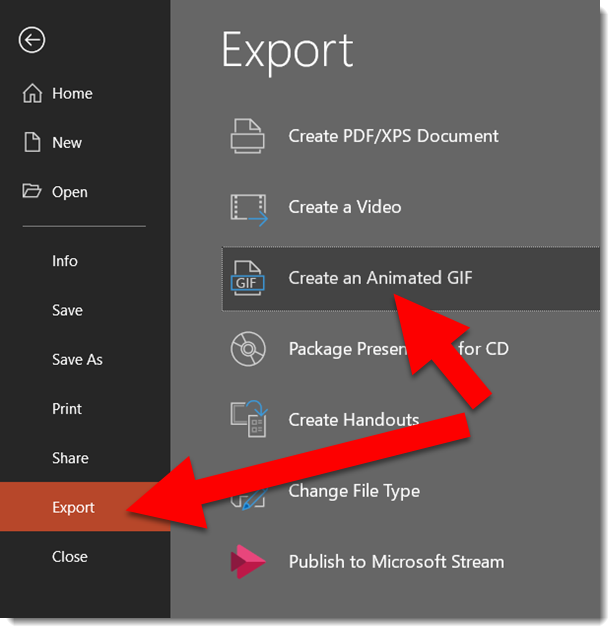
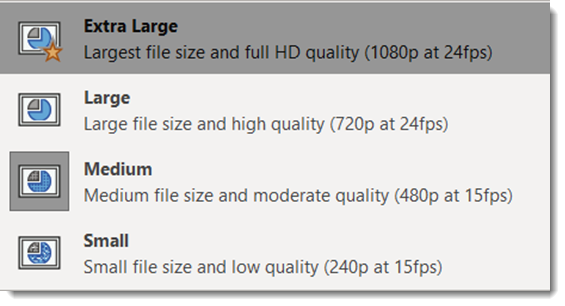
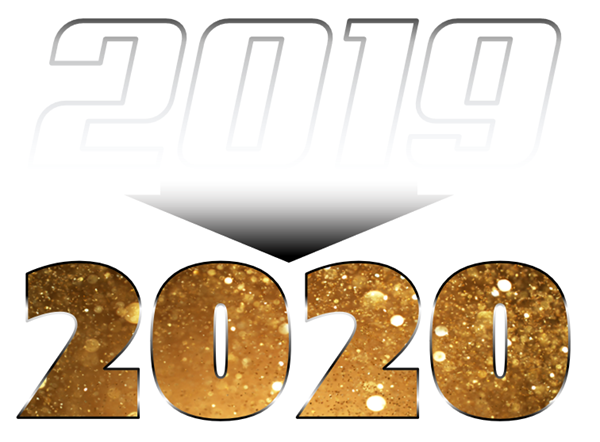
A popular visual for lots of presentations this time of the year is a visual that sets up a conversation about goals and expectations for the year ahead. Using just PowerPoint text and styling effects, here is a quick dynamic slide (editable slide download link at the end).

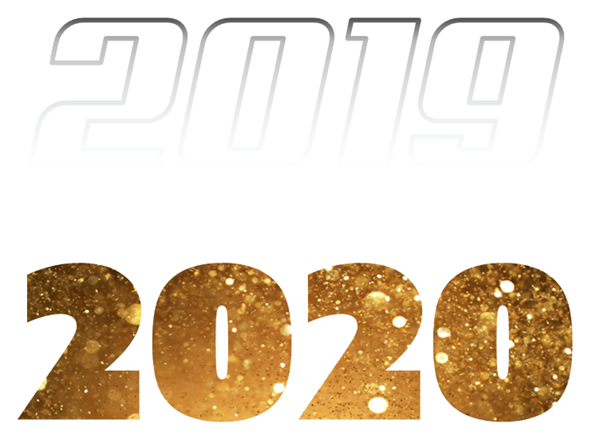
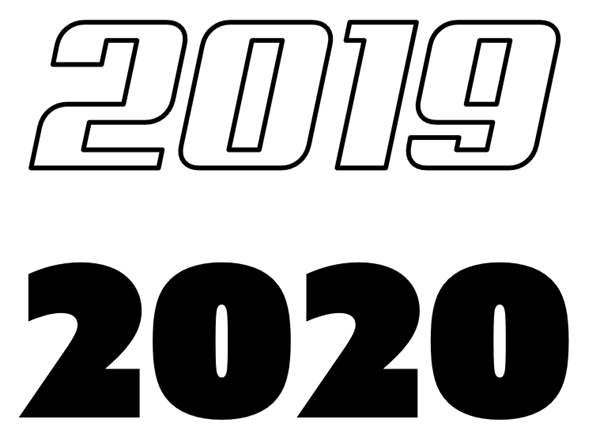
The goal of the slide is to show 2019 moving into 2020. The start of the slide is adding two text boxes:
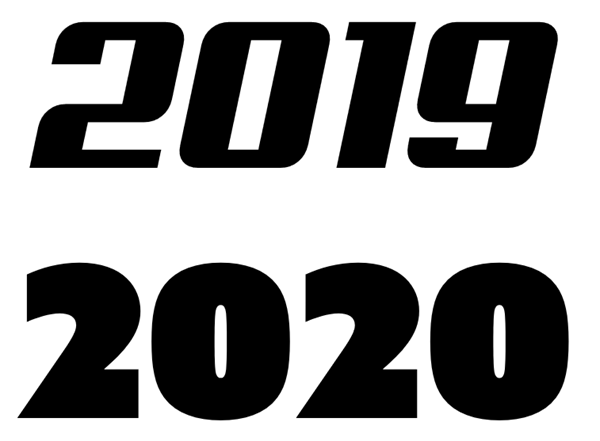
Using just the outline of text is a way to create text that feels “designed”. For this slide I am using a bold outline for the 2019:
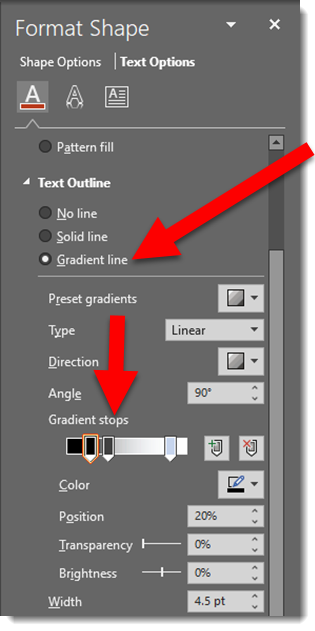
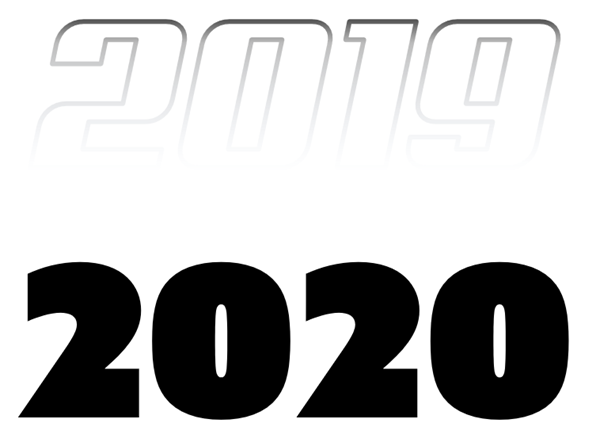
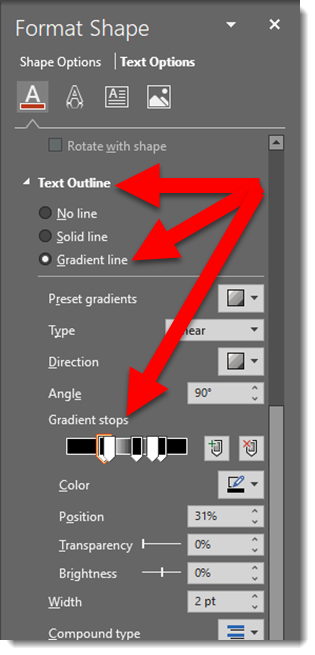
To create a visual of 2019 fading into 2020 the text has a custom gradient outline:
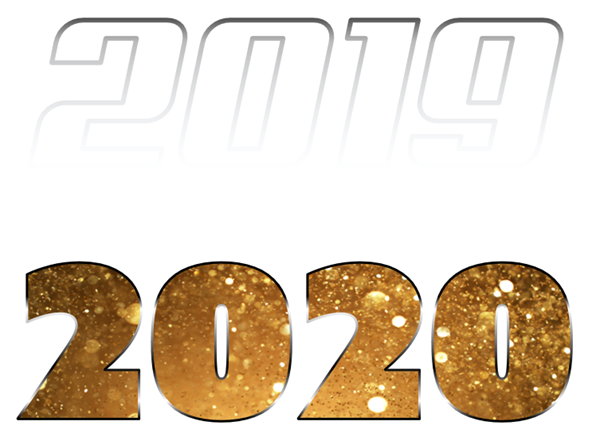
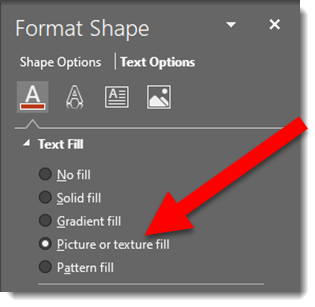
To make the 2020 literally dazzle and sparkle, I am using the same styling effect as the previous post – picture fill. Here is the image used and effects:

To enhance the 2020 text is further, a custom bold outline is applied:
And as a final touch, a graphic element is added to show the motion of 2019-to-2020. A PowerPoint arrow, sized wide and short with a gradient fill:
Download the PowerPoint slide HERE

Note: custom font used will default to available font when opened, but all effects remain intact.


Troy @ TLC

By |2020-01-04T09:29:55-08:00January 3rd, 2020|PowerPoint, Tutorial|

Happy New Year!! Let’s Talk About Stylizing Text in PowerPoint

Today is the first day of the new year, new decade, and new presentations! This month I am focusing on a dozen posts that have stylized text – all with native PowerPoint effects. For day 1 of 2020, I am turning a plain 2020 text into a stylized layout that visually shows the bright future ahead of us this year – and keeps the text editable!

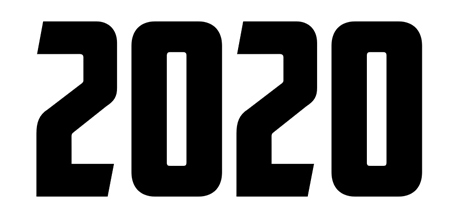
Here is the base text; black text on a white background, but a fun font “American Capitan”.

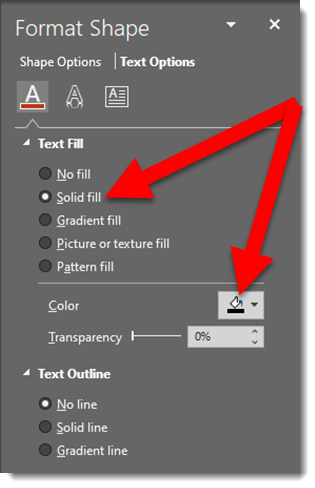
This is the text fill default; solid fill and black (or whatever the template has as the Dark 1 color)

Any photo can be used to fill the text. I have this inspirational photo of a sunrise to use

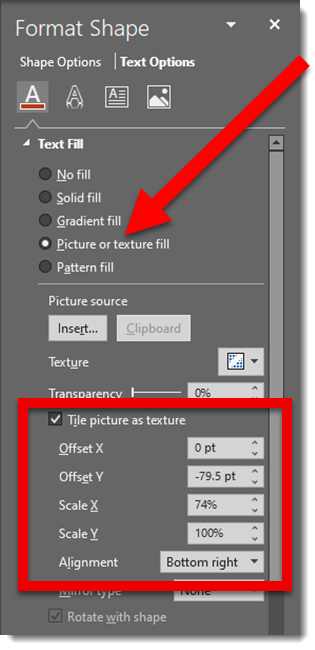
Select the text box, go to FORMAT SHAPE > TEXT OPTIONS > select PICTURE OR TEXTURE FILL > navigate to the sunrise photo and select it

The photo is not displaying the image as I want. The OFFSET and SCALE options move and size the image within the text

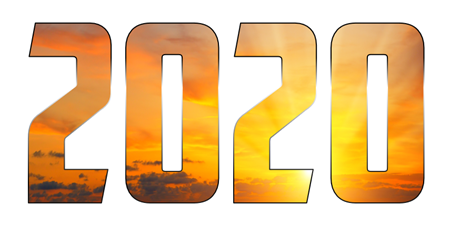
Now the “2020” image fill shows the bottom portion of the image and the sun itself positioned at the tip of the number 2 

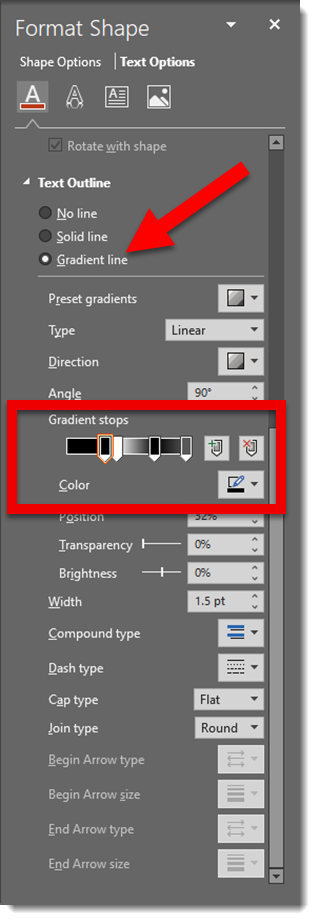
Next is a stylized gradient outline

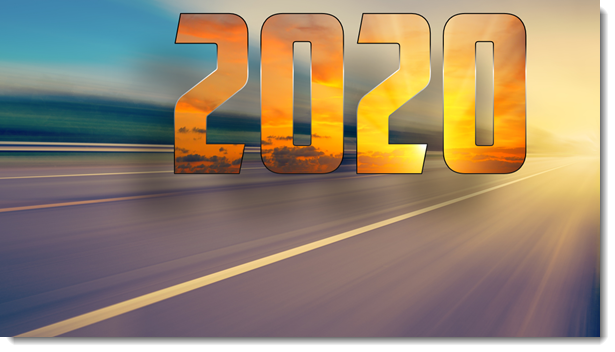
The final formatting is adding another image as the slide background and positioning the editable “2020” and applying a drop shadow

Troy @ TLC

By |2019-12-30T10:57:36-08:00January 1st, 2020|PowerPoint, Tutorial|

“New” Shape Styles Presets

So why the quotes around “new” for this post’s title? Well, this is not really a new feature in PowerPoint, but it has come up on conversations enough recently for me to realize this addition to shape styling that has been in PowerPoint since January of this year (maybe earlier), has not been noticed by everyone.

PowerPoint Format Presets
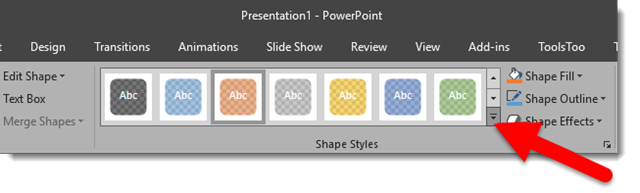
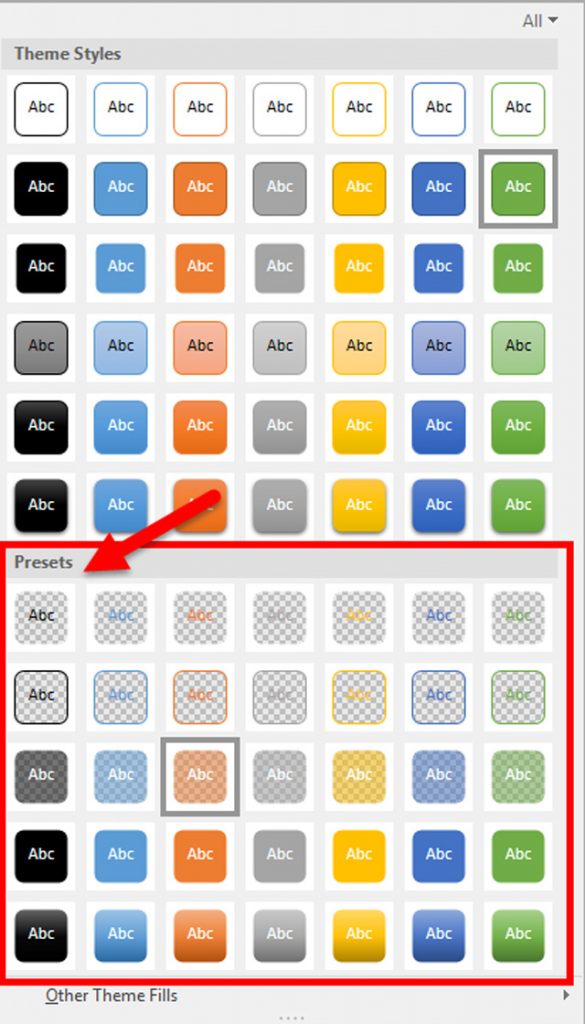
Shape styles are preset formatting options for PPT vector shapes. Color options are based on the template color scheme, accents 1-6 and either the light or dark background style. When content is moved to a new presentation, the colors auto update to that presentation color scheme. In the latest roll out of updates, Microsoft expanded to include a new level of these styles called “presets.”

New Shape Styles Presets 1

New Shape Styles Presets 2

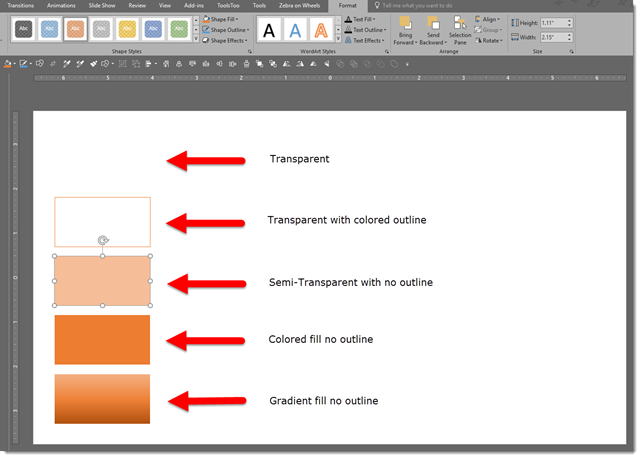
New Shape Styles Presets 3

These new shape styles presets include five styles: transparent, transparent with colored outline, semi-transparent with no outline, colored fill with no outline, and lastly, gradient fill with no outline. These styles can quickly be applied to any shape with a click of a button. Happy stylizing!


-Troy @ TLC

By |2019-12-08T08:41:17-08:00December 12th, 2019|PowerPoint|

Using Morph As Part of the Slide Design

Morph is one of the most powerful animation/motion tools in PowerPoint. Most instances of morph I see leverage Morph for simple movement of content. Here is an example from one of the TLC Creative design team where morph is used for elements that make up each slides background styling and provide movement within the presentation that is not directly moving top level content. 

[KGVID]https://thepowerpointblog.com/wp-content/uploads/2019/12/unnamed-file-2.mp4[/KGVID]

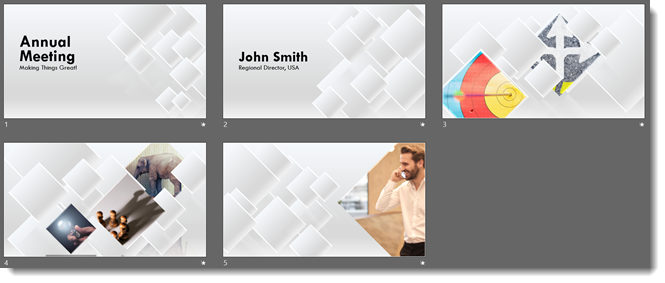
There are 5 slides in this demo, and no on-slide animation, just Morph transitions.

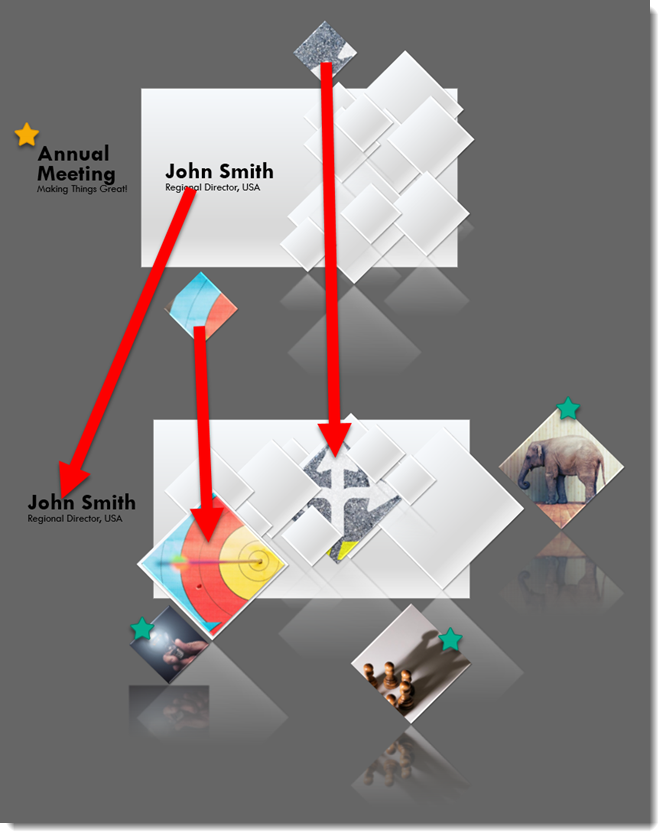
As with all Morph effects, all content must be at the slide level. Content on Master layouts cannot be a part of the morph effect. And Morph relies on content being on the slides before and after the current slide (red arrows show images from slide 1 and where they go on slide 2. Yellow star is content end position from previous slide. Green stars are content start position for next slide).

Troy @ TLC
By |2020-04-20T20:16:34-07:00December 10th, 2019|Portfolio, PowerPoint|

Sketched Outlines (Part 2)

I wanted to create a Part 2 to the PowerPoint Sketched Outline tool and share a more advanced shape consideration with using the Sketched outline styling. In this case, what happens when you use the Merge Shapes tools to create a new shape – and those shapes already have the Sketched outline styling applied?


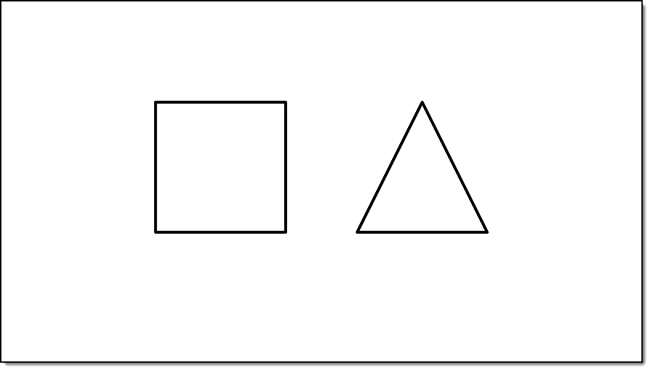
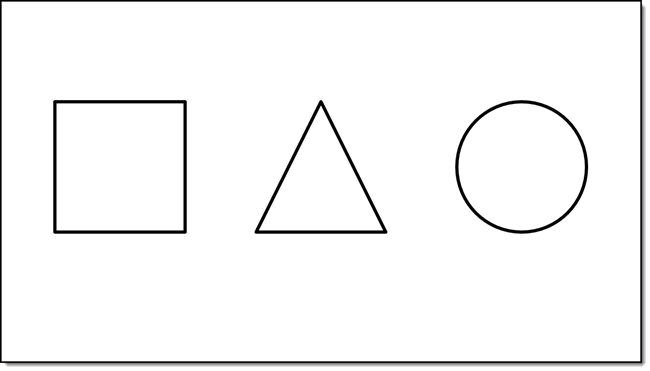
1. For this demo, I am inserting two 2 PowerPoint shapes

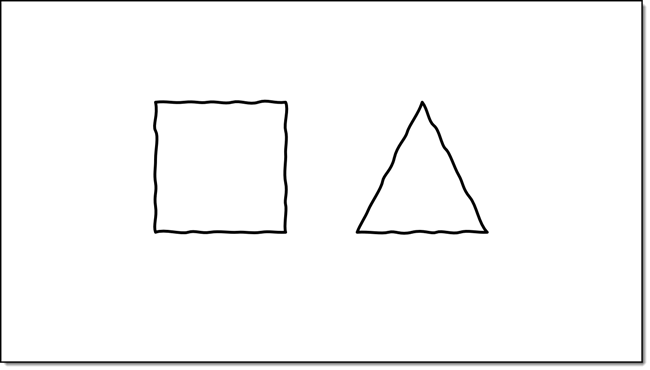
2. Apply a Sketch Styling to both shapes

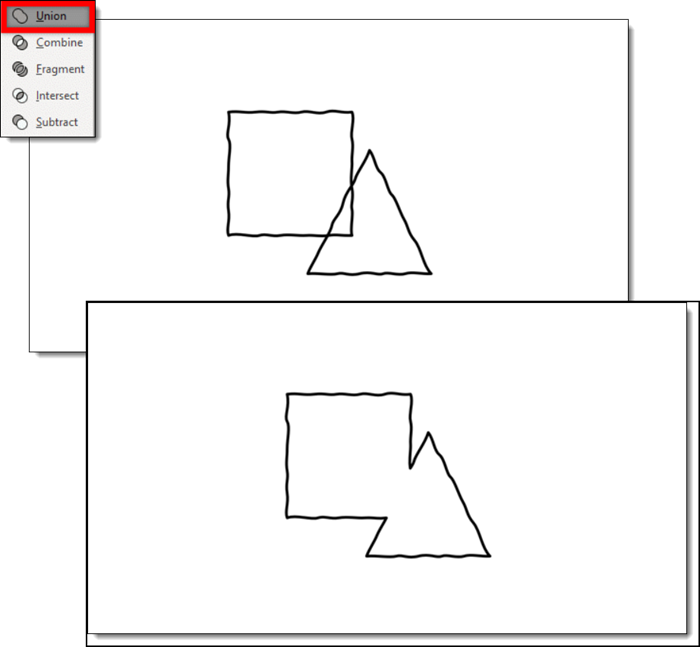
3. Then combine them by using the PowerPoint MERGE SHAEPES “Union”

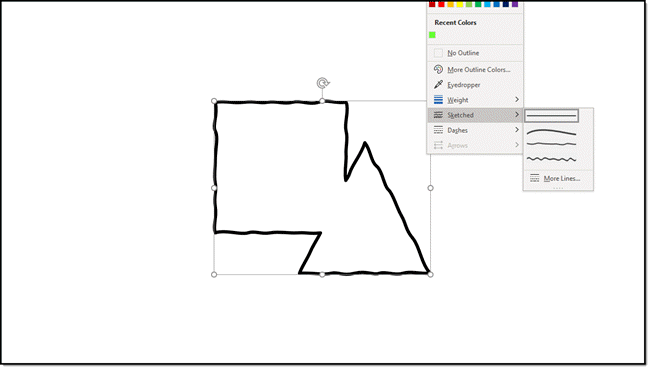
4. The new shape, which looks great, does have the Sketched outline permanently applied. Selecting the straight line optioncannot be selected to revert it back to smooth/straight lines.

5. The way to avoid this permanent styling is to pre-plan. Before merging the two shapes together change the outline to the smooth/straight outline.  Then re-apply the sketched outline styling to the new (merged) shape.

Troy @ TLC
By |2019-09-27T22:00:20-07:00October 7th, 2019|PowerPoint, Tutorial|

PowerPoint “Sketched” Shapes

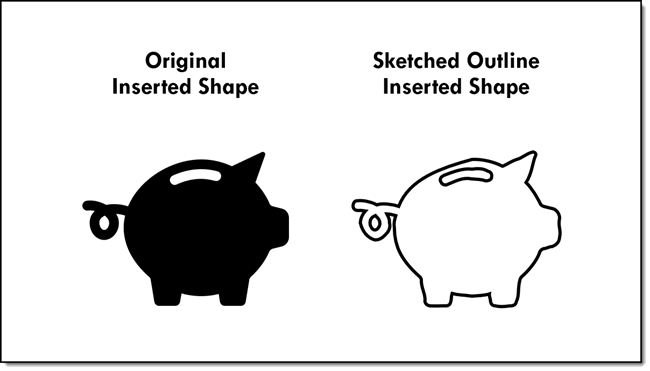
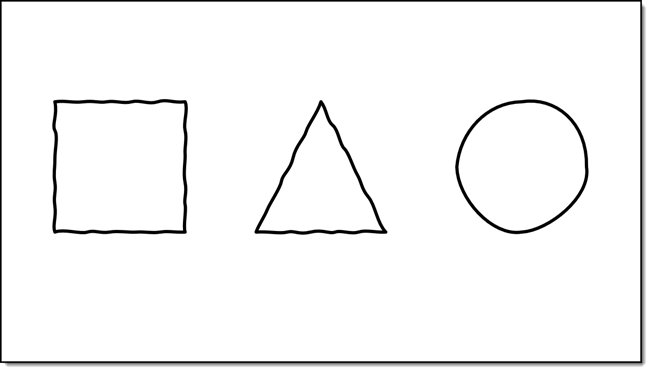
Outline Sketched is one of the newest design features in PowerPoint O365 version (on Windows, Mac, but on Online version yet). It applies a hand drawn, or “sketched” styling to shapes. As example:

The 1st step is to create any shape or insert a ppt object (read below for details)

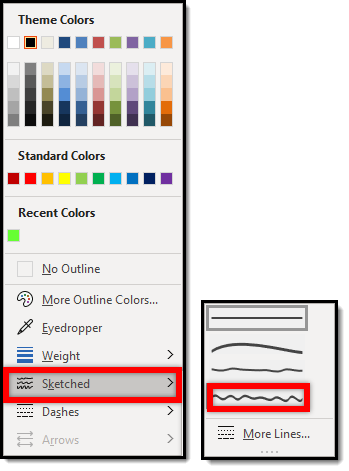
Select the object(s) and go to Shape Format > Shapes Styles tab > Shape Outline

In the Shape Outline drop down menu go to the new SKETCHED option that offers serveral preset “sketched” styles

Notes:
There are several ways to access the Shape Outline menu (at TLC Creative we have it on our QAT).
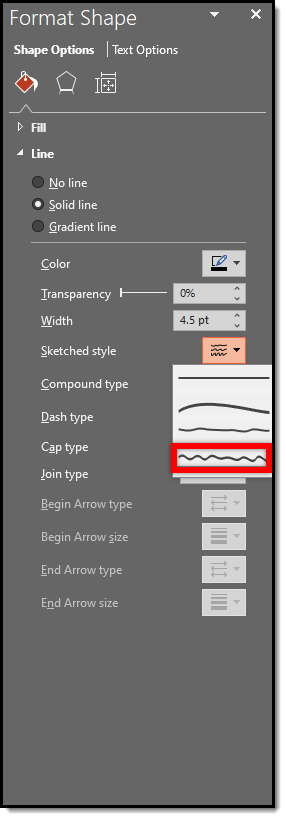
Also, the Sketched settings are available in the “Format Shape” pane


Applying a Sketched outline to the example objects does this:

  • The PowerPoint shapes remain completed editable!
  • Objects can be filled and with the ability to still apply a sketch outline.
  • Inserted .SVG graphics
    • The only way to apply this outline to an inserted .svg art is to ungroup the svg file within ppt. However, this will ultimately change the svg into an emf shape and might change the look of the svg, i.e. if the svg is inserted with a gradient style and the object is ungrouped the object might become distorted in color etc.
  • Inserted PowerPoint icons
    • The native icons are basically an internal library of .svg graphics. The sketched styling can be applied the same way it can be applied to .svg graphics described above
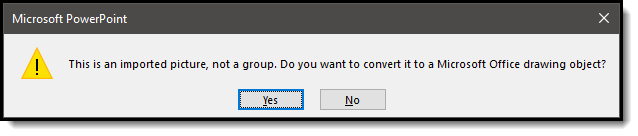
    • Ungroup the icon > click yes at the warning pop up, click yes > apply sketched outline styling
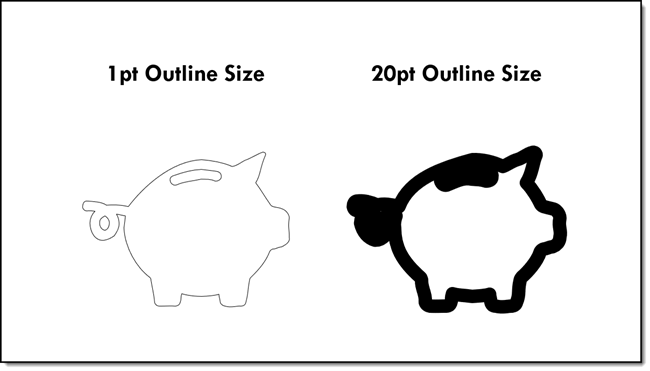
  • Outlines can vary in weight (thickness). Test different weights to find the one that best works with the graphic. As example, our sample PowerPoint icon looks very different with a a thin 1pt outline and a thick 20pt outline
    •  
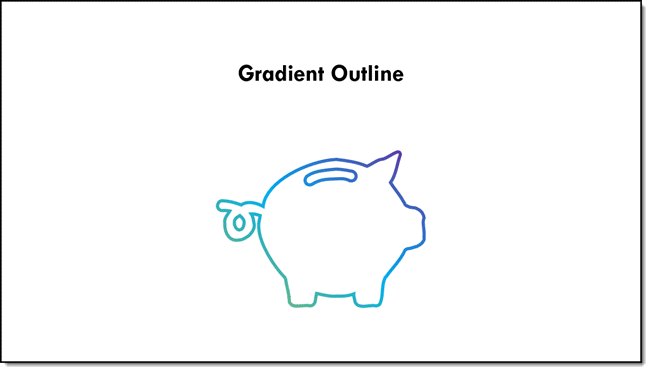
  • Sketched outlines can have all PowerPoint styling options applied; color, shadow, or  gradients
    •  

Troy @ TLC

By |2019-09-27T22:00:41-07:00October 3rd, 2019|PowerPoint, Tutorial|

Windows Emoji Keyboard

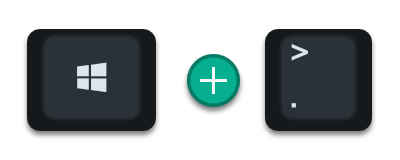
Microsoft Windows added a very cool emoji keyboard, or at least a dialog to point and select emoji’s. To open, click the Windows Key and the period key.

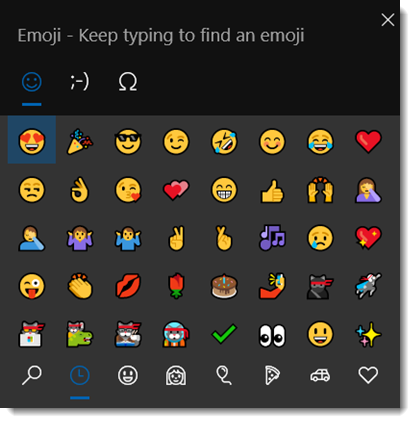
Click any emoji and it will be added to virtually any app text box selected (😎🤷‍♂️👍, see I just added three emoji’s to this blog post – but being over the age of 35 I have no idea what I just said…). 

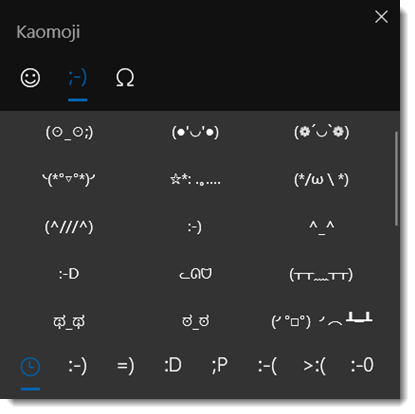
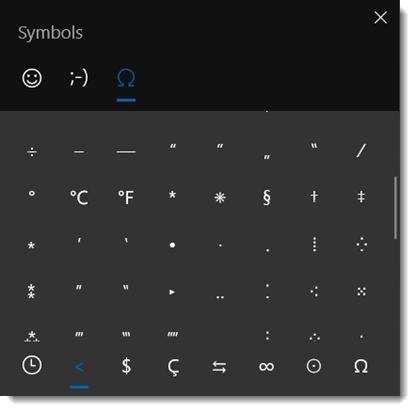
There are 3 tabs; Emoji (full color), Kaomoji (traditional ASCII emoji’s), and Symbols (well, symbol characters)

Troy @ TLC
By |2019-07-24T16:52:12-07:00July 30th, 2019|PowerPoint, Software/Add-Ins|

Photo-to-Photo Morph Effect, with No Tags

Here is a limitation of Morph, it cannot change 1 photo to another. This example demo’s that issue. Slide 2 has an image. The animation goal is to have the image on slide 2 move-grow-and morph into the image on slide 3. Without morph object tagging there is no way to accomplish this (okay, we can insert a shape, fill with image and on the second slide change the fill to the other image – but this is a lot of effort and not needed if you read the next blog post!)

Here is how the Morph effect fails and reverts to a fade transition like effect.

[KGVID]https://thepowerpointblog.com/wp-content/uploads/2019/06/unnamed-file-1.mp4[/KGVID]

Up next, the exact same slide set and how to force Morph to accomplish what we want!

Troy @ TLC
By |2019-10-28T10:12:34-07:00June 5th, 2019|PowerPoint, Tutorial|

Morph Using Object Tags vs. No Object Tags

Jake on the TLC Creative design team created this demo slide deck. The goal is to use a complex .svg vector art element and do all styling (color, size, position) directly in PowerPoint – mission accomplished. The second goal is to apply Morph transitions to create a session of seamless motion graphics:

Version 1:  No Morph, all legacy animation and fade transitions. This is also how the Morph enabled version will present on systems that do not support Morph (where Morph basically is replaced with fade transitions). For best results on this version, no movement or resizing of the molecule elements or connectors was done, just recoloring (which was accomplished direct using PowerPoint fills, outlines and gradients).

Version 2: Use Morph throughout. But just adding Morph transitions leads to some unexpected animation effects that cannot be controlled no matter how things are setup on the slide. The overall result is a sense of motion and the molecule changing, but there are several areas where the molecule is not visually connected with connector lines flying to different (wrong) molecule elements.

Version 3: Same Morph transitions, but taking time to add Object Tags (naming each art element in the Selection Pane) allows the designer to control Morph and force it so we know how exactly each object on the previous slide will animate and land on the following slide (see below image for Selection Pane comparison). YAY for the new Object Tagging feature to Morph!

[KGVID]https://thepowerpointblog.com/wp-content/uploads/2019/06/unnamed-file-7.mp4[/KGVID]

Left = version 1 & 2 selection pane with PowerPoint automated naming (which changes from slide to slide). Right = version 3 selection pane with each object named in the selection pane using the “Object Tagging” double exclamation “!!” (object names stay the same from slide to slide).

Troy @ TLC
By |2019-10-28T15:36:49-07:00June 3rd, 2019|PowerPoint|
Go to Top