Tutorial

Where are the File Properties in PPT 2007?

The ribbon interface was designed to be intuitive and make things easy to find. But there are exceptions to everything, like not having an ‘Insert Slide’ on the Insert tab and finding the file properties for the presentation.

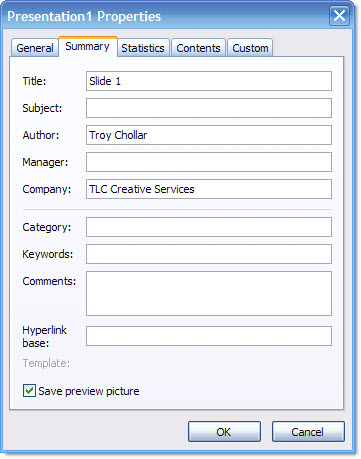
In PPT 2003 you go to FILE >> PROPERTIES and this dialog appears:

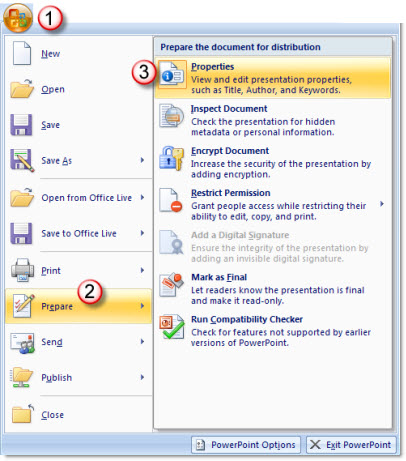
To find this information in PPT 2007 it is not as obvious, although it does have a nice layout when found. To open the file properties in PPT 2007:
1 – go to the OFFICE BUTTON
2 – go to PREPARE
3 – select PROPERTIES

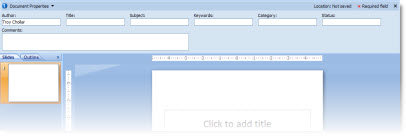
The properties information appears inline just above your slides.

– Troy @ TLC

By |2016-11-17T12:00:08-08:00April 6th, 2009|Tutorial|

Another – BETTER- Way to Nudge/Move a Chart in PPT 2007

I received an email from my friend Ute, a PowerPoint MVP from Germany who directed me to one of her video tutorials with the clue that “strg” means CTRL.

You can watch the tutorial here (it is in German).

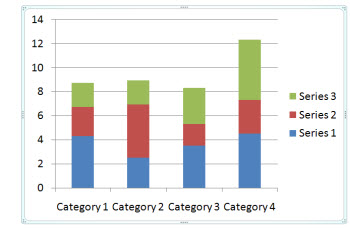
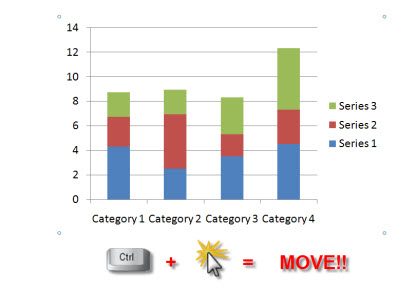
Here is my sample chart. Note the full selection line around it when clicked.

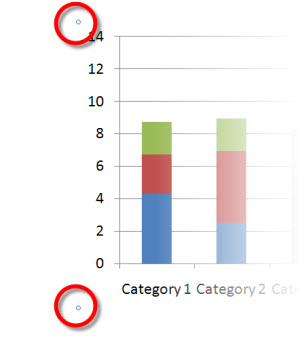
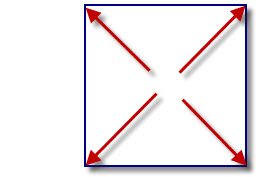
But if you CTRL CLICK on the chart you get a different selection, 4 dots.

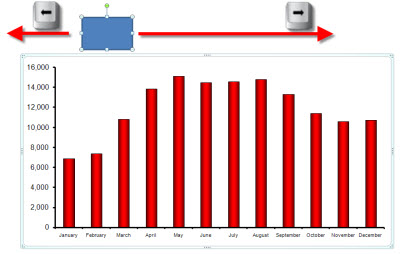
With the CTRL CLICK selection the arrow keys allow you to move the chart!

Thanks Ute!

– Troy @ TLC

By |2016-09-16T10:38:17-07:00April 4th, 2009|Tutorial|

Move a PPT 2007 Chart

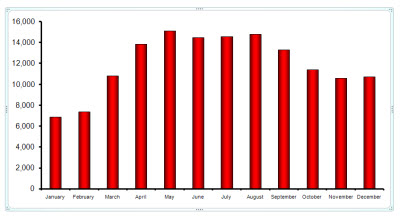
Here is my PPT 2007 slide with a nice stylized chart:

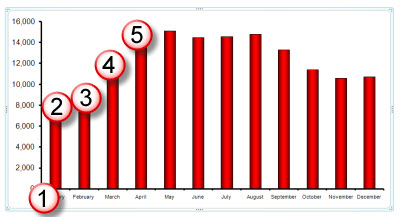
The frustration is when you want to nudge the chart into position using the arrow keys it does not move… Each click of the arrow key just changes the selected item within the chart:

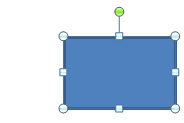
My solution is this – a standard autoshape box:

When you select a chart in PPT 2007 AND any other object, the focus is now on the group of items, not the individual chart. So using the arrow keys moves both items.

Move the chart into position, then delete the temporary box. Done.

– Troy @ TLC

By |2016-09-16T10:40:05-07:00April 2nd, 2009|Tutorial|

Right-Click From Keyboard

It can happen, just watch the 1:00pm – Customizing ExpressShow with Dan Davis video at TechSmith’s 24-in-24 Camatasia tutorials where someone had to run out and grab an external mouse to use a right-click to access the needed menu. Well now you will never be stuck in that situation with this nifty trick.

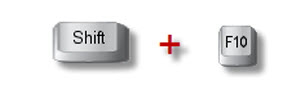
Just press the SHIFT + F10 and you have right clicked!

– Troy @ TLC

By |2016-09-16T10:47:11-07:00March 22nd, 2009|Tutorial|

Who is Watson and Why is He Important to Microsoft?

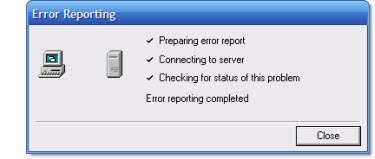
In this case Dr. Watson is a debugger for Microsoft, not Sherlock Holmes assistant.

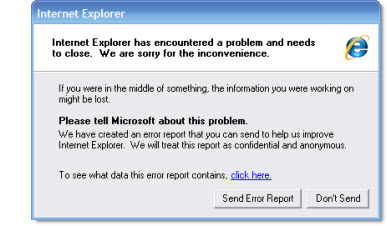
If Dr. Watson is running and a Windows application crashes, such as PowerPoint, it creates a report with technical information that Microsoft developers use to determine what caused the crash. The key is sending the data, which I have been promised is anonymous, to Microsoft.

After spending a few days with the PowerPoint developers at Microsoft last week, like it or not, Watson reports play a HUGE factor in what gets fixed, or updated. So submit those Watson reports whenever possible – they make a difference.

– Troy @ TLC

By |2016-09-16T10:52:51-07:00March 12th, 2009|PowerPoint, Tutorial|

Instantly Select The Box – Not The Text

With text boxes, or autoshapes with text in them, there are two types of selection:
1. Selecting the text so it can be edited.
2. Selecting the shape so it can be edited or moved.

Selecting the text is easy, just click inside the box near the text and you get the text cursor. Note, when you have text selected the shape has a dotted line border.

But to select the shape I see people struggle all the time. The three common ways are:
1. Select the text, then carefully click on the dotted line border to change the selection to the shape.
2. Carefully position mouse at edge of shape and click (same as #1, but skipping the text selection – usually).
3. Select the text, then press the ESCape key to change the selection to the shape (this is a great trick if you are unfamiliar with it).

But the 4th, and often best, way to select a shape and not the text is also the easiest.
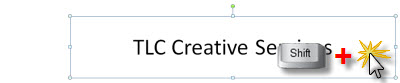
4. Hold the shift key and click on the shape – anywhere. This only allows the shape to be selected, never the text.

Note: the border is a solid line when the shape is selected.

– Troy @ TLC

By |2016-09-16T10:54:15-07:00March 10th, 2009|Tutorial|

SmartArt Balancing Act

SmartArt really makes you look – smart! But did you know the Balance graphic is smart enough to adjust itself…?

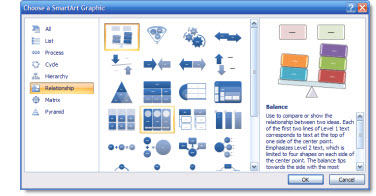
Go to INSERT >> SMARTART >> RELATIONSHIP >> BALANCE

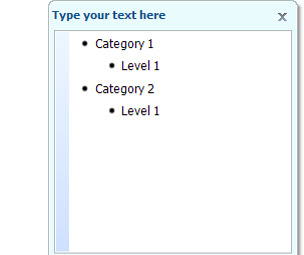
Like all SmartArt the graphic is actually controlled by a standard bulleted list.

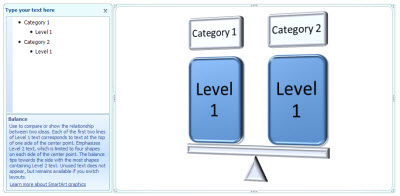
Here is my sample Balance SmartArt graphic. It has two categories, one for each side. And it starts off with equal balance – 1 bullet point per side.

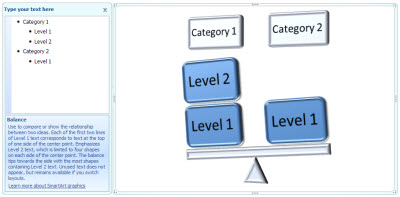
But if you add more bullets to one side, the scale automatically ‘tips’ to the heavier side! Here I have added a second bullet to Category 1 and tipped the scale.

Note: only primary bullets affect the balance. Adding sub-bullets is fine, but they have no impact on which way the balance beam leans.

– Troy @ TLC
By |2016-09-16T10:55:15-07:00March 8th, 2009|Tutorial|

Resize Preview To Fit-to-Screen: PPT vs. Photoshop

To quickly get the “big picture” you may need to see the whole slide or image. There are some great keyboard shortcuts to do this, but they are different in PPT 2003, PPT 2007 and Photoshop.

PowerPoint 2003:
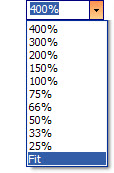
Option 1: Use the drop-down menu and choose FIT

Option 2: Install the PPTools free StarterSet and click the magnifying glass icon

PowerPoint 2007
Click the ‘Fit to Window’ button in the lower right corner

Photoshop:
CTRL + 0 (zero)

– Troy @ TLC

By |2016-09-16T11:09:46-07:00January 27th, 2009|Tutorial|

Resize and Keep Aspect Ratio: PPT vs. Photoshop

Another great feature is resizing (enlarging or shrinking) images and autoshapes from any corner and have it maintain the same aspect ratio.

This feature is available in PowerPoint and Photoshop, using the SAME key combination.

PowerPoint: SHIFT + adjust with mouse

Photoshop: SHIFT + adjust with mouse

– Troy @ TLC

By |2016-09-16T11:10:07-07:00January 25th, 2009|Tutorial|
Go to Top